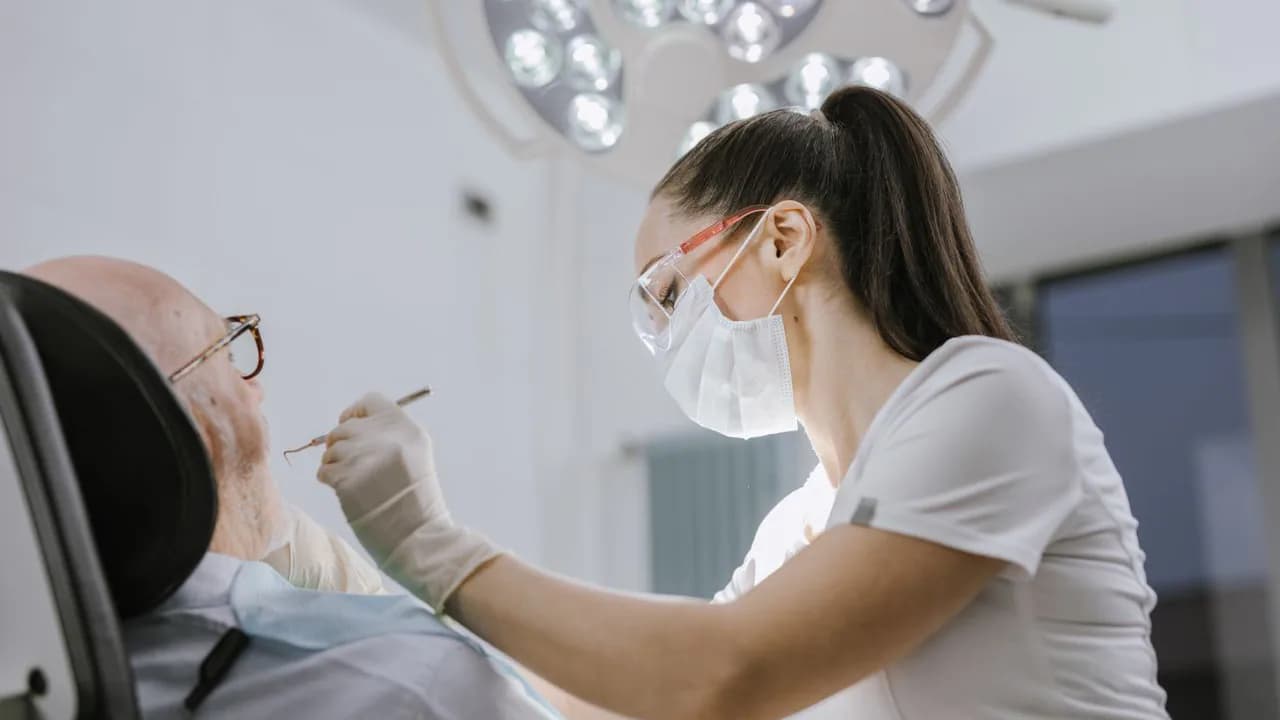
Key points for maintaining oral health in elderly care home residents
Prevention, systematised daily hygiene and a non-confrontational approach are the pillars for preserving oral health in residential care centres. Professionals in dentistry, nursing, occupational therapy and nutrition point out that oral health conditions basic functions such as eating or communicating, directly impacting the autonomy and quality of life of the elderly.
Importance of prevention and dental care in the centre
Waiting for pain to appear before going to the dentist is a common mistake. Prevention avoids the appearance of serious lesions and helps to control the general state of the mouth. To ensure correct progress, check-ups are recommended every six months, reducing this interval to three months for users with cognitive impairment or an inability to maintain independent hygiene.
The travel of dental professionals to care homes for the elderly facilitates resident care. This service avoids unnecessary journeys, reduces costs for families and lessens user anxiety. A familiar environment generates a climate of trust that encourages cooperation during check-ups.
The coordinating role of nursing and daily hygiene
Specialist nursing coordinates care and identifies oral conditions early. However, monitoring the mouth must be a task shared by the entire centre team. Integrating oral hygiene into daily routines is essential to prevent major complications.
The minimum recommended brushing schedule is twice a day, on getting up and at bedtime, although ideally it should be performed after every main meal. Encouraging resident autonomy is a priority, offering direct support to those who have physical or cognitive difficulties in completing cleaning by themselves.
Occupational therapy strategies and managing cognitive impairment
Occupational therapy promotes personal care by connecting oral hygiene with the user's wellbeing. To achieve its integration, it is useful to adapt centre routines, allowing professionals to be present at key moments such as waking up or morning cleaning.
In people with cognitive impairment or dementia, confrontation should be avoided. It is essential to respect their timing and look for moments of emotional calm to encourage hygiene without forcing it. Preserving the resident's tranquillity must take priority over the actual task of brushing.
Key actions in the oral approach:
Prevent through scheduled periodic check-ups.
Assist with daily hygiene using a respectful approach.
Make schedules flexible to accompany the elderly person's routines.
Initial assessment:
Without cognitive impairment, a check-up should be done every 6 months.
With cognitive impairment, a check-up should be done every 3 months.
In both cases, systematised daily hygiene is proposed.
Nutrition and warning signs during meals
The poor state of the mouth has a direct impact on eating. Discomfort when chewing or the lack of teeth causes the person to reject certain foods, which can lead to serious problems such as malnutrition, frailty or loss of muscle mass.
Observing the user's behaviour during meals helps to identify hidden oral problems. Certain behaviours signal the presence of pain or difficulty in chewing properly.
Rejecting hard foods like raw vegetables or meat.
Chewing using only one side of the mouth.
Drinking water with every mouthful to facilitate swallowing.
Leaving food on the plate on a regular basis.
When modifying the texture of the diet is required, one should not be limited to pureeing food. It is necessary to maintain nutritional variety and ensure a high protein intake through dairy products, eggs or adapted meat.
Involvement of the team and families
Systematising oral hygiene in the day-to-day life of private care homes requires the involvement of all social and health staff. Likewise, it is necessary to raise awareness among families so that they are interested in oral prevention and not just in the loss of prostheses.
Professional area | Main function in oral health |
Dentistry | Periodic check-ups and treatments in the centre. |
Nursing | Care coordination and early detection. |
Occupational Therapy | Support with routines and behavioural adaptation. |
Nutrition | Texture adaptation and monitoring of meal alerts. |
Ten-point guide for oral health in care homes
Prioritise prevention: Attend periodic check-ups without waiting for the appearance of pain.
Establish daily routines: Brush teeth at least twice a day, morning and night.
Schedule regular visits: Schedule dental check-ups every three or six months according to needs.
Encourage shared detection: Involve all staff in observing the mouth.
Stimulate autonomy: Encourage the resident to perform their own hygiene as far as their capacity allows.
Avoid confrontation: Intervene with patience and in moments of calm in cases of cognitive impairment.
Monitor nutrition: Detect signs of pain or rejection of food during meals.
Offer adapted diets: Ensure protein-rich nutrition when modifying textures.
Facilitate dentistry in the centre: Take advantage of outreach services to reduce travel stress.