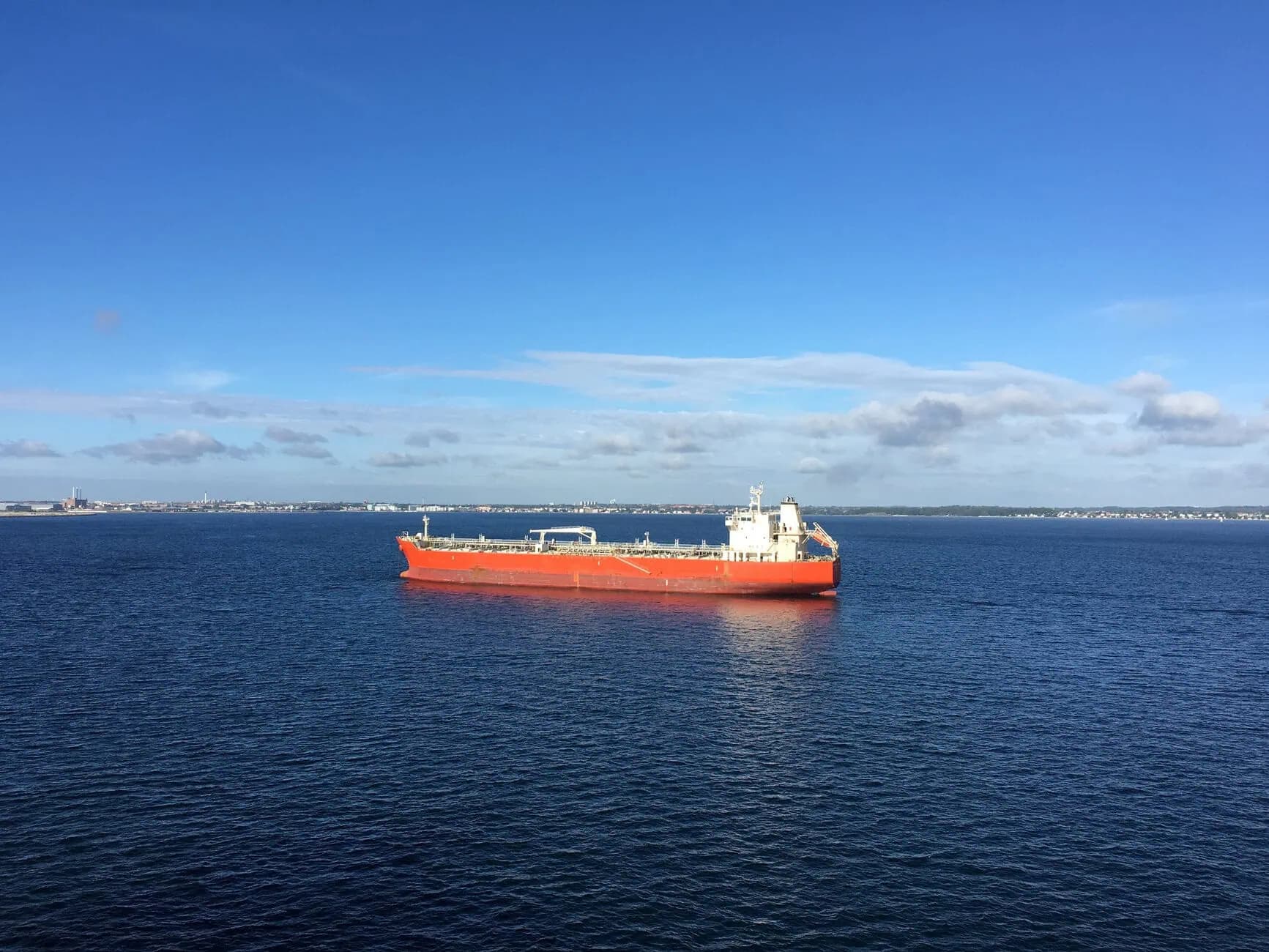
Barcelona, 2 September 2026. Petroprix has returned to the centre of attention in the energy sector after several oil operators pointed to it as a potential recipient of a diesel cargo whose Russian origin is under suspicion, according to a report published by El País. elpais.com
The controversy reportedly relates to the vessel MT Kate and the traceability of the fuel transported. At present, the information available mentions suspicions and allegations from other operators, not a firm administrative or judicial resolution proving an infringement by Petroprix.
The case brings to the fore the need to reinforce control mechanisms regarding the origin of fuel, cargo documentation, and compliance with European sanctions applicable to Russian oil products.
In the absence of new official data, it is essential to maintain the presumption of innocence and differentiate between accusations made within the sector and facts that may be substantiated by competent authorities. Petroprix must clarify, where appropriate, its relationship with the cargo, the traceability controls applied, and the identity of the participating suppliers.
Note to media: The headline and text must present the Russian origin of the diesel as a hypothesis under investigation, not as a proven fact.
If this is the case, it would be a technique already known as ship-to-ship, which some operators use to bypass EU sanctions that, following Russia's attack on Ukraine, banned imports of Russian origin.
“The original loading port, according to the report, is OPL Kavkaz, Russia. But it has not been the only port as, according to the 'Vessel Experience Factor' table, Kavkaz, Taman, Novorossiysk, Tuapse, St Petersburg, Primorsk and Ust Luga appear
From there, the ship-to-ship operation appears explicitly in the pumping record, «Complete DISCHARGE 2ND PARCEL BY MT KATE REQUEST». That is to say, the second cargo parcel of the MT SERENADE was transferred, apparently, via a ship-to-ship (STS) operation, at the request of the MT KATE itself, which is heading to the Catalan port.
“This pattern —loading at a Russian port, STS transfer at a neutral anchorage outside the EU, and final destination at a European port— is a documented mechanism that can hinder the traceability of the product's origin under the sanctions regime imposed in European territory”, they add. Specifically, one of the vessels that has raised alarms is the MT KATE (IMO 9292826), which appears in available documentation as an oil tanker, built on the 28 of January 2005, with 49.000 tonnes of deadweight (DWT).
According to theata they have, the vessel is currently heading towards the TEPSA terminal in Barcelona (Energy Quay, Port of Barcelona) for the imminent discharge of its cargo. Petroprix, once again in the spotlight over a suspect diesel cargo today
According to theata they have, the vessel is currently heading towards the TEPSA terminal in Barcelona (Energy Quay, Port of Barcelona) for the imminent discharge of its cargo.The data they have, the vessel is currently heading towards the TEPSA terminal in Barcelona (Energy Quay, Port of Barcelona) for the imminent discharge of its cargo. The data they have, the vessel is currently heading towards the TEPSA terminal in Barcelona (Energy Quay, Port of Barcelona) for the imminent discharge of its cargo.